


Quiet Ambition 2025 — Why True Success No Longer Looks Loud


Quiet evenings lifestyle choices are becoming more common across cities and age groups. Staying in is no longer seen as boring or anti-social. Instead, it reflects a growing need for rest, comfort, and calm in an increasingly busy world.
People are choosing slower evenings. They prefer familiar spaces. They want fewer plans and more peace. This shift says a lot about how modern life feels today.
Why the Quiet Evenings Lifestyle Is Gaining Popularity
Life feels louder than before.
Work spills into personal time.
Screens demand constant attention.
Many people feel mentally exhausted even when their days look “normal.” In this environment, going out often feels like another task. Staying in feels like relief.
The quiet evenings lifestyle offers space to pause. It allows people to disconnect without disappearing. That balance matters more than ever.
Busy Lives Left Little Room for Rest
For years, being busy looked impressive. Full calendars suggested success and ambition. Saying “yes” to everything felt necessary.
Over time, the cost became clear.
People started feeling:
drained
irritable
socially tired
unable to rest without guilt
Even weekends felt rushed. Quiet evenings emerged as a response to this pressure. They became a way to recover energy without making big lifestyle changes.
Comfort Is Replacing Status
Luxury once meant going out.
Restaurants. Events. Constant activity.
Today, luxury looks different.
It looks like:
comfortable clothes
home-cooked food
silence after a long day
uninterrupted sleep
The quiet evenings lifestyle reflects this shift. People now value how they feel more than how they appear. Comfort has become more important than status.
This change also connects with broader economic and lifestyle pressures. Rising costs and daily stress influence how people choose to spend their time and energy.
http://protronmedia.com/housing-economic-stress-india/
Digital Fatigue Is a Major Trigger
Work happens online.
Social life happens online.
News never stops.
This constant digital exposure leaves little mental space. Many people feel overstimulated and restless.
Quiet evenings offer a reset.
They reduce:
notifications
comparisons
pressure to respond
the need to perform
Staying in becomes a way to regain mental clarity. It helps people feel present again.
Socializing Has Become More Intentional
This lifestyle shift does not mean people value relationships less. They value them differently.
Instead of frequent outings, many now prefer:
fewer plans
smaller gatherings
deeper conversations
The quiet evenings lifestyle supports meaningful connection. Time with family, close friends, or even alone feels more genuine when it is not rushed.
People are learning to protect their social energy.
Work Burnout Makes Staying In Feel Necessary
Work patterns have changed. Boundaries feel blurred. Many people struggle to switch off.
After long workdays, social plans feel exhausting. Quiet evenings act as recovery time.
They help people:
decompress
sleep better
start the next day with more energy
Rest has become a requirement, not a reward.
Health concerns are also shaping lifestyle choices, especially as issues like air quality affect daily routines, which we’ve explored in our article on how air pollution impacts the health of women and children in India.
https://protronmedia.com/air-pollution-health-women-children-india/
Staying In Is No Longer Judged
Cultural attitudes have shifted.
Earlier, declining plans needed explanations. Today, “I’m staying in” is accepted.
This change reflects:
better awareness of mental health
respect for personal boundaries
acceptance of different energy levels
Choosing rest no longer feels lazy. It feels responsible.
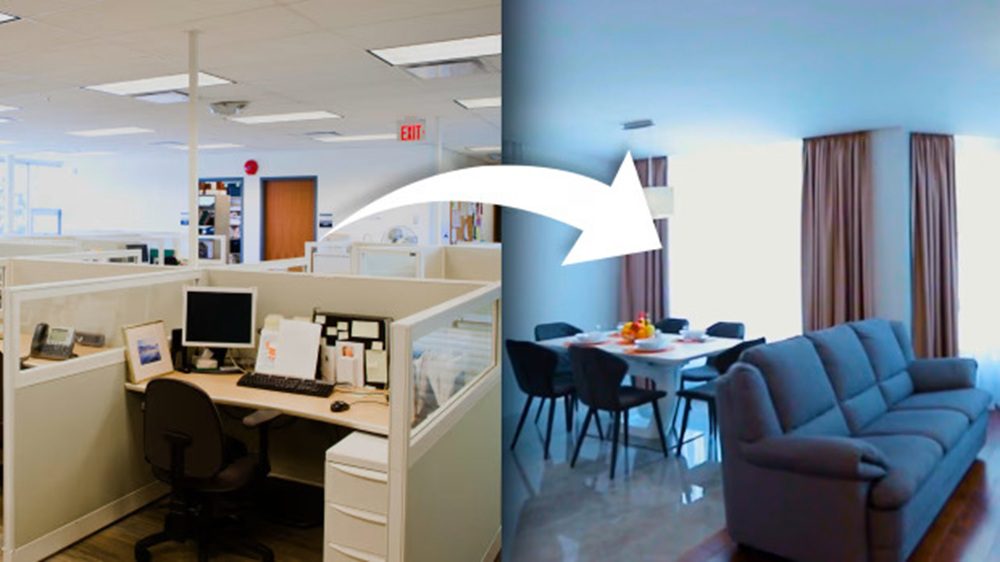
Homes Have Become Personal Sanctuaries
Homes now serve many roles.
They are:
workplaces
wellness spaces
entertainment zones
places of safety
The quiet evenings lifestyle strengthens this connection to home. Simple routines like cooking, reading, or doing nothing feel grounding.
Home is no longer just where people return. It is where they recover.
Quiet Evenings Lifestyle and Slow Living
This trend aligns closely with slow living.
Slow living encourages:
mindful choices
fewer commitments
intentional rest
quality over quantity
The quiet evenings lifestyle fits naturally into this mindset. It allows people to move at their own pace rather than keeping up with constant expectations.
Is This a Temporary Phase?
Some trends fade. Others last.
Quiet evenings feel like a lasting shift.
The reasons are structural:
rising stress
digital overload
economic uncertainty
changing ideas of success
As long as life feels intense, people will look for calm. Quiet evenings offer that calm without major lifestyle changes.
What This Shift Really Says About Modern Life
People are not withdrawing from life. They are protecting their energy.
The quiet evenings lifestyle shows a move toward:
presence over pressure
rest over routine
peace over performance
It is a quiet response to a loud world.
Final Thought: A New Definition of Luxury
Luxury no longer needs attention.
It needs time.
For many, the most valuable experiences now involve:
silence
familiarity
rest
The rise of the quiet evenings’ lifestyle shows how people are redefining what matters. Staying in is not about missing out. It is about choosing what sustains you.
In today’s world, that choice feels more valuable than ever.
Quiet ambition in 2025 proves that success doesn’t need applause — it needs alignment.