



India’s Consumption Boom: Middle-Class Spending in 2025
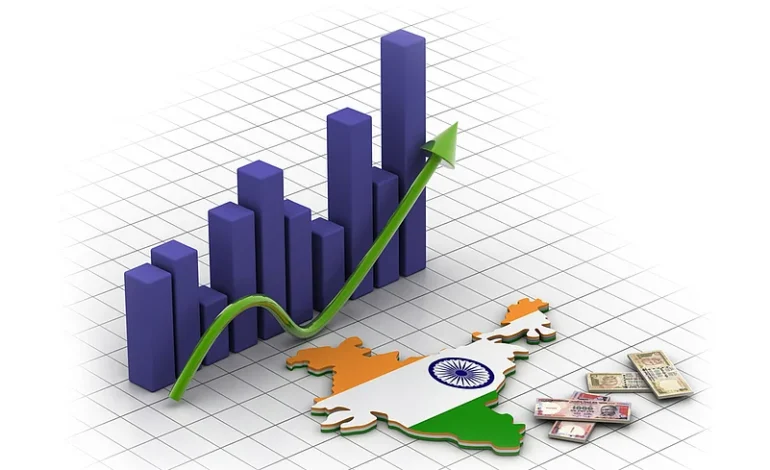

India’s economic story in 2025 is being shaped less by exports and more by domestic demand. At the centre of this shift is the India consumption boom, driven largely by rising middle-class spending. From housing and healthcare to digital services and lifestyle upgrades, Indian households are spending with confidence again.
This change marks a structural transition in the economy. Growth is no longer dependent only on global conditions. Instead, it is being sustained by internal consumption, making India more resilient in an uncertain global environment.
The India Consumption Boom Is a Structural Shift, Not a Temporary Spike
The India consumption boom is not a short-term rebound after disruption. It is a long-term transformation driven by fundamentals.
Key drivers include:
Rising disposable incomes
Expansion of salaried employment
Formalisation of businesses
Better access to credit
Digital payment penetration
Unlike earlier growth cycles, consumption today is spread beyond metros. Tier-2 and Tier-3 cities are emerging as strong demand centres. This broad base is what makes the current consumption trend sustainable.
India’s Middle Class Is Bigger, Younger and More Confident
The middle class is the backbone of India’s consumption-led growth. In 2025, this segment is not just larger, but also more aspirational.
Spending patterns show growth in:
Education and skill development
Healthcare and wellness
Housing and home improvement
Travel and experiences
Digital subscriptions and services
This generation of consumers is value-conscious, not price-obsessed. They are willing to pay more for quality, convenience and trust. This behavioural shift is strengthening demand across sectors.
Consumption Is Replacing Exports as the Growth Anchor
Global trade remains volatile due to geopolitical tensions, inflationary pressures and slowing developed economies. Against this backdrop, India’s internal demand has become a stabilising force.
According to insights from the Reserve Bank of India, domestic consumption now contributes a significant share to GDP growth, cushioning external shocks.
Source: https://www.rbi.org.in
This reduces India’s vulnerability to global slowdowns and allows policymakers greater flexibility.
Credit Availability Is Fueling the Consumption Boom
One major enabler of the India consumption boom is easier access to credit. Digital lending, credit cards, EMI options and buy-now-pay-later models have expanded rapidly.
Key changes include:
Faster loan approvals
Wider credit coverage
Data-driven risk assessment
Formal credit for first-time borrowers
This has unlocked spending among young professionals and first-generation middle-class households. Responsible credit growth has amplified consumption without triggering instability.
Digital Infrastructure Is Accelerating Spending Behaviour
India’s digital public infrastructure plays a silent but powerful role in boosting consumption. Platforms such as UPI, e-commerce ecosystems and digital marketplaces have reduced friction in everyday spending.
Consumers can now:
Compare prices easily
Access nationwide sellers
Make instant payments
Receive faster deliveries
The World Bank has recognised India’s digital infrastructure as a global benchmark for inclusive growth.
Source: https://www.worldbank.org
This digital layer has made consumption easier, faster and more transparent.
Inflation Has Changed How Indians Spend, Not Whether They Spend
Inflation remains a concern, but it has not stopped consumption. Instead, it has changed priorities.
Consumers are now:
Choosing durability over discounts
Focusing on essentials and quality
Reducing impulse buying
Preferring trusted brands
This shift rewards businesses that focus on long-term value rather than aggressive promotions. The consumption boom is therefore more selective and mature than in the past.
Rural and Semi-Urban Demand Is Catching Up
Another defining feature of the India consumption boom is the rise in non-urban demand. Improved connectivity, government transfers and digital access have boosted rural purchasing power.
Spending growth is visible in:
FMCG products
Two-wheelers and tractors
Mobile phones and internet services
Education and healthcare
This broad-based demand strengthens overall economic momentum and reduces regional imbalance.
What This Consumption Boom Means for Businesses
For businesses, the message is clear: India’s growth opportunity lies at home.
Key strategic implications include:
Focus on domestic consumers
Localise products and communication
Build trust and brand loyalty
Invest in distribution and logistics
Use data to understand evolving preferences
Companies aligned with middle-class aspirations are better positioned to grow consistently.
To understand how storytelling and leadership visibility support growth in changing economic cycles, read:
https://protronmedia.in/founder-led-content-growth-engine/
Why the India Consumption Boom Strengthens Economic Resilience
An economy driven by consumption is more stable. It reduces dependence on volatile capital flows and external markets.
The International Monetary Fund has noted that domestic demand-driven economies tend to recover faster from global shocks.
Source: https://www.imf.org
India’s consumption-led model therefore provides both growth and stability.
Final Thought: Consumption Is Now India’s Strongest Economic Engine
The India consumption boom is redefining how growth is created in 2025. Rising middle-class spending is not just supporting the economy — it is transforming it.
This shift reflects a maturing economy where confidence, access and aspiration come together. For businesses, policymakers and professionals, understanding this trend is essential.
India’s growth story is no longer written abroad.
It is being spent, experienced and built at home.