




Delhi BS-VI Entry Ban: What It Means and What Comes Next
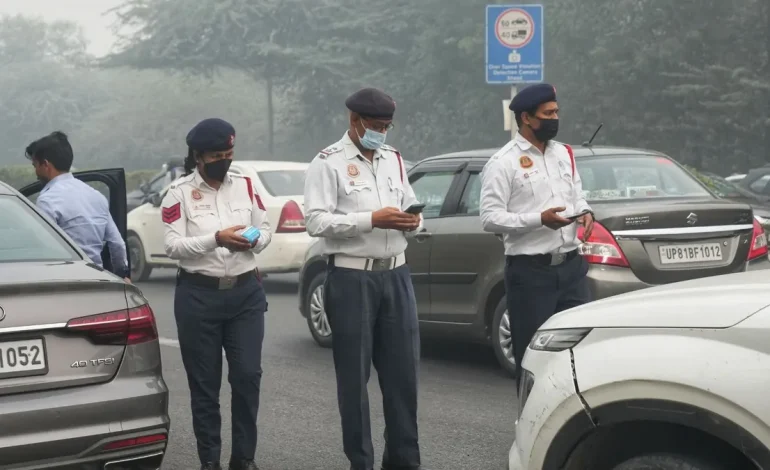

The Delhi BS-VI entry ban on non-city private vehicles has officially come into force, marking another decisive step in the capital’s ongoing fight against air pollution. Under the new restriction, private vehicles registered outside Delhi that do not meet BS-VI emission norms are no longer allowed to enter the city.
While the rule is framed as a pollution-control measure, its implications extend beyond traffic checks. The policy affects commuters, inter-city travel, enforcement mechanisms and long-term urban mobility planning. Understanding what this ban means — and what may follow — is essential.
What Is the Delhi BS-VI Entry Ban?
The policy restricts non-Delhi registered private vehicles that are below BS-VI emission standards from entering the city. BS-VI norms are India’s strictest vehicle emission standards, introduced nationwide in 2020.
In simple terms:
Only BS-VI compliant non-city private vehicles can enter Delhi
Older vehicles with higher emissions are denied entry
Enforcement is carried out at city borders and checkpoints
The objective is to reduce vehicular emissions during periods of high pollution.
Why Was the BS-VI Entry Ban Implemented Now?
The timing of the Delhi BS-VI entry ban is closely linked to recurring air quality crises. Each winter, Delhi-NCR experiences severe AQI levels due to a combination of weather conditions and emissions.
Key reasons behind the move include:
Persistently high AQI levels
Increased contribution of vehicular pollution
Pressure to implement visible, enforceable measures
Limitations of short-term emergency responses
Authorities are attempting to curb pollution at entry points rather than managing its impact after it accumulates.
For broader context on Delhi’s pollution cycle, see our earlier analysis:
https://protronmedia.com/delhi-ncr-aqi-crisis-explained/
Who Is Most Affected by the Entry Ban?
The policy primarily impacts:
Daily commuters from neighbouring states
Inter-city travellers using older vehicles
Families visiting Delhi from nearby regions
Owners of pre-BS-VI private vehicles
While commercial vehicles have long faced restrictions, this rule tightens the net for private mobility as well.
Critics argue that the policy disproportionately affects middle-class vehicle owners who may not be able to upgrade immediately.
Does the Delhi BS-VI Entry Ban Actually Improve Air Quality?
This is the most important question.
Vehicular emissions are a major contributor to Delhi’s pollution load, particularly nitrogen oxides and particulate matter. Limiting older vehicles can help reduce emissions at the margin.
However, experts note that:
Local vehicles still form the majority of traffic
Weather conditions play a dominant role
Construction dust and industry remain major sources
The Delhi BS-VI entry ban may reduce incremental pollution but is unlikely to be a standalone solution.
Policy Signal: Tougher Vehicle Rules Ahead
Beyond immediate impact, the ban sends a strong policy signal.
It suggests:
Gradual tightening of vehicle eligibility norms
Increased scrutiny of private vehicle usage
Push toward cleaner mobility options
Willingness to impose inconvenience for environmental goals
This aligns with a broader national shift toward emission-linked transport policies.
Economic and Social Implications
The policy has economic and social consequences that go beyond pollution control.
Potential impacts include:
Increased cost of inter-city travel
Pressure on families to upgrade vehicles
Reduced mobility for certain groups
Short-term disruption in tourism and visits
Such measures raise an important policy challenge: balancing environmental urgency with social fairness.
What Could Come Next After the BS-VI Entry Ban?
The Delhi BS-VI entry ban may not be the final step.
Possible next measures include:
Expansion of restrictions to older Delhi-registered vehicles
Higher congestion charges for non-compliant vehicles
Wider low-emission zones
Incentives for electric and hybrid vehicles
Improved public transport integration
Cities globally are moving toward stricter vehicle access rules, and Delhi appears to be following that trajectory.
How This Fits into Delhi’s Larger Pollution Strategy
The ban should be seen as one element of a larger framework that includes:
AQI-linked emergency responses
Construction and dust control
Fuel and industrial regulations
Traffic and congestion management
Without sustained action across all these areas, entry bans risk becoming symbolic rather than transformative.
Public Response and Policy Challenges
Public reaction has been mixed. While environmental concerns are widely acknowledged, enforcement consistency and long-term clarity remain concerns.
Key challenges include:
Clear communication of rules
Fair enforcement across borders
Supporting alternatives for affected commuters
Avoiding ad-hoc or reactive policymaking
Policy effectiveness depends as much on execution as on intent.
Final Thought: A Necessary Step, Not a Complete Solution
The Delhi BS-VI entry ban reflects growing urgency in addressing air pollution. It shows a willingness to take firm decisions, even when they affect daily mobility.
However, lasting improvement in air quality will require:
Year-round pollution control
Integrated urban planning
Cleaner transport systems
Long-term policy consistency
The ban is a step forward, but its success will depend on what comes next — and how comprehensively Delhi addresses the root causes of its pollution problem.