
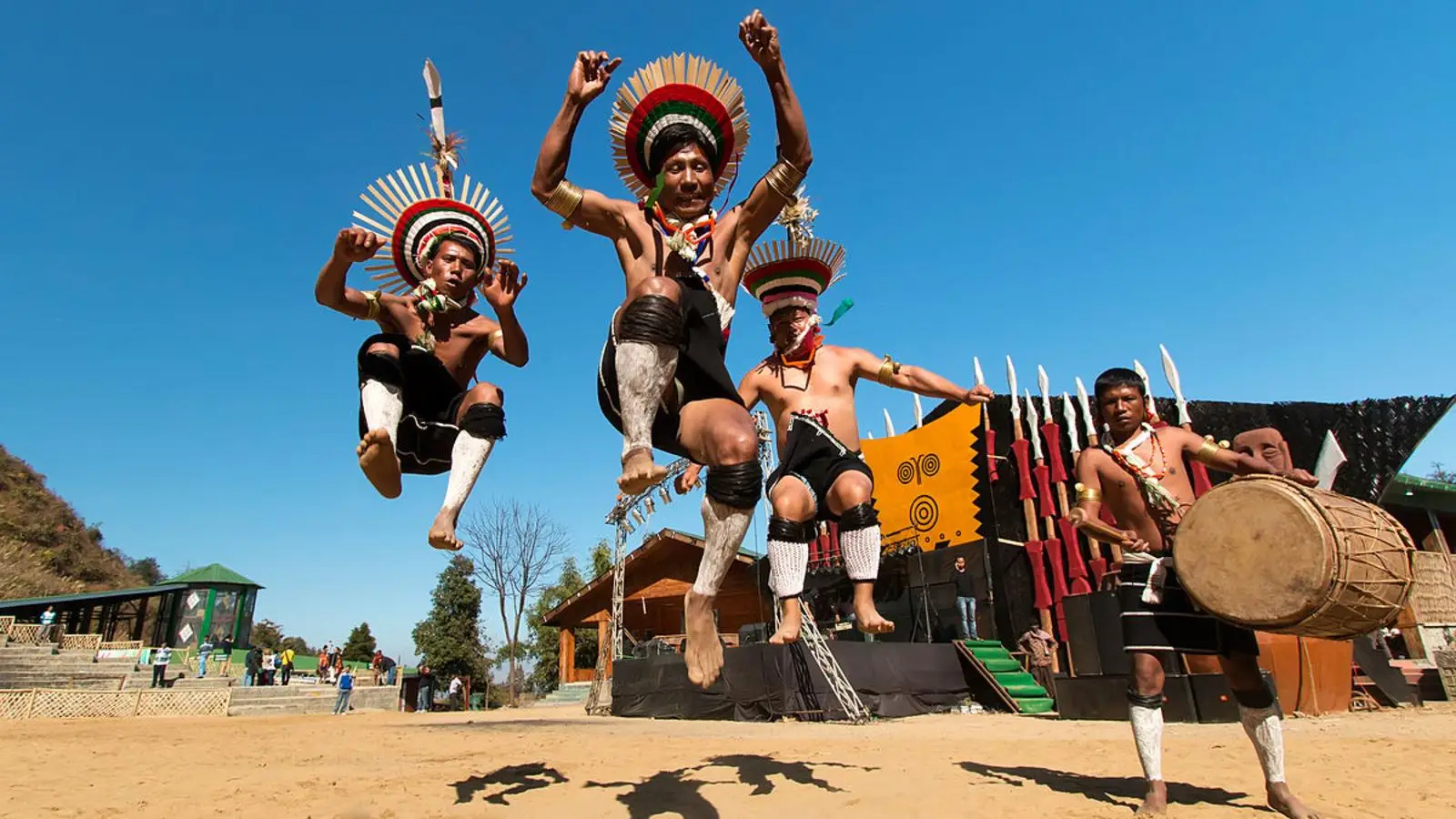



Imagine a place where colourful traditional costumes, tribal dances, indigenous music, authentic local cuisine and breathtaking mountain landscapes come together in one spectacular celebration. That is exactly what visitors can experience at the Hornbill Festival in Nagaland.
Known as the “Festival of Festivals”, the Hornbill Festival is one of India’s most remarkable cultural celebrations. Every December, it brings together the diverse tribes of Nagaland to showcase their traditions, customs, music, art, food and cultural heritage.
The 27th edition of the Hornbill Festival is scheduled to take place from December 1 to December 10, 2026, at the Naga Heritage Village in Kisama, near Kohima, Nagaland.
This year’s theme is “Cultural Connect”, highlighting the importance of cultural exchange, community participation and preserving traditional heritage while connecting with the modern world.
Whether you are a travel enthusiast, photographer, cultural explorer or someone looking for a unique winter holiday destination, Hornbill Festival 2026 offers an unforgettable opportunity to discover Northeast India’s rich cultural identity.
Let’s explore everything you need to know about this spectacular festival.
Hornbill Festival 2026: Important Details at a Glance
| Particulars | Details |
|---|---|
| Festival Name | Hornbill Festival 2026 |
| Edition | 27th Edition |
| Dates | December 1–10, 2026 |
| Theme | Cultural Connect |
| Venue | Naga Heritage Village, Kisama |
| Location | Near Kohima, Nagaland, India |
| Organiser | Government of Nagaland |
| Festival Duration | 10 Days |
| Main Attraction | Naga Tribal Culture, Music, Dance and Food |
What Is the Hornbill Festival and Why Is It Celebrated?
The Hornbill Festival is an annual cultural and tourism event organised by the Government of Nagaland. It was first conceptualised in the year 2000 to preserve, promote and showcase the traditional heritage of the state’s different Naga tribes.
Nagaland is home to diverse tribal communities, each with its own language, customs, traditional clothing, festivals, music and cultural practices.
The Hornbill Festival provides a common platform where these communities can celebrate their identities and share their traditions with visitors from across India and around the world.
The festival is named after the Great Hornbill, a bird that holds an important place in Naga folklore and cultural traditions. Its distinctive appearance and cultural symbolism make it an appropriate representation of the festival.
Over the years, the celebration has developed into an internationally recognised cultural tourism event, attracting travellers, artists, musicians, photographers and cultural enthusiasts.
Why Is Hornbill Festival 2026 Special?
The 27th edition of the Hornbill Festival is expected to be another major celebration of Nagaland’s cultural diversity.
The 2026 theme, “Cultural Connect”, reflects the importance of bringing communities, cultures and people together.
Some important highlights of this year’s celebration include:
- Participation of different Naga tribes and cultural groups.
- Traditional folk dances, songs and cultural performances.
- Indigenous games and demonstrations of traditional practices.
- Art exhibitions and traditional handicraft showcases.
- Naga cuisine and local food experiences.
- Musical performances and entertainment events.
- Opportunities for tourism, cultural exchange and creative industries.
The Department of Art and Culture has also announced 18 cultural troupes from within the state for performances at the festival’s Unity Plaza. Visitors can look forward to folk dances, traditional songs, indigenous games, ritual demonstrations and folk dramas.
Top 8 Attractions to Experience at Hornbill Festival 2026
1. Traditional Naga Tribal Dance and Music
One of the biggest attractions of the Hornbill Festival is its traditional cultural performances.
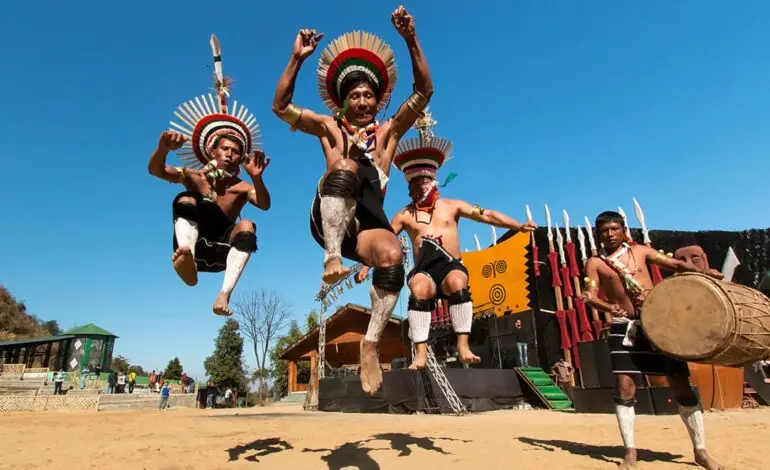
Visitors can witness different Naga communities performing folk dances and traditional songs in colourful ceremonial attire.
The performances often feature traditional musical instruments, rhythmic movements, group participation and cultural storytelling.
These performances offer visitors an opportunity to understand the traditions and cultural identities of Nagaland’s communities.
2. Traditional Morungs and Tribal Heritage
The Naga Morungs are among the most interesting cultural features of the festival.
Traditionally, Morungs served as important community institutions, particularly for young men, where knowledge, customs, traditions and social values were passed from one generation to another.
At Kisama Heritage Village, traditional-style Morung structures represent the architectural and cultural heritage of different Naga communities.
Visitors can explore these structures and learn about traditional lifestyles, craftsmanship and indigenous practices.
3. Authentic Naga Food and Local Cuisine
Food lovers will find plenty to explore at the Hornbill Festival.
Nagaland has a distinctive culinary tradition influenced by its geography, local ingredients and indigenous cooking methods.
Visitors can explore traditional food stalls offering regional dishes, smoked preparations, rice-based meals, local vegetables and indigenous delicacies.
Some popular food experiences associated with Naga cuisine include:
- Smoked pork preparations.
- Bamboo shoot-based dishes.
- Axone-based traditional food.
- Traditional Naga chutneys.
- Local rice preparations.
- Indigenous herbs and vegetables.
Food preferences and preparation methods vary across communities, making the festival an interesting culinary experience.
4. Traditional Arts, Crafts and Handicrafts
Hornbill Festival is also an excellent opportunity to discover Nagaland’s traditional craftsmanship.
Local artisans showcase handmade products reflecting their artistic skills and cultural heritage.
Visitors can explore:
- Traditional Naga shawls and textiles.
- Handwoven fabrics.
- Bamboo and cane products.
- Wooden carvings.
- Traditional jewellery.
- Handmade decorative items.
- Local artwork and paintings.
Buying locally made products can also support artisans and small businesses in the region.
5. Indigenous Sports and Traditional Games
The festival celebrates not only traditional music and art but also indigenous sports and physical activities.
Visitors can experience traditional sporting events such as:
- Naga wrestling.
- Traditional archery.
- Indigenous games.
- Community sporting demonstrations.
These activities provide a glimpse into the sporting traditions and community life of Nagaland.
6. Music Concerts and Cultural Entertainment
Music is an important part of the Hornbill Festival experience.
Alongside traditional performances, visitors can enjoy contemporary music and entertainment events.
The festival provides a platform for local artists, musicians and creative performers to showcase their talent.
The combination of traditional music and modern entertainment creates a unique cultural atmosphere.
7. Art Exhibitions and Historical Experiences
The Department of Art and Culture has announced an art exhibition-cum-fair at Kisama, along with an archival exhibition titled “Colonial Inroads & Resistance (1832–1947)”.
Visitors can also explore the World War II Museum at Kisama, which is scheduled to remain open to the public from 10 AM to 4 PM during the festival period.
These exhibitions provide an opportunity to understand the historical, artistic and cultural dimensions of Nagaland.
8. Photography and Cultural Experiences
For travel photographers and content creators, the Hornbill Festival offers numerous opportunities to capture the colours and traditions of Northeast India.
From traditional attire and cultural performances to handicrafts, food stalls and the surrounding landscapes, the festival offers plenty of visual experiences.
However, visitors planning drone photography or videography must obtain prior permission from the competent authorities. Unauthorised drone operations are not permitted.
How to Reach Hornbill Festival 2026?
The main festival venue, Naga Heritage Village, is located at Kisama, approximately 12 kilometres from Kohima, the capital of Nagaland.
Travellers can reach the festival through different transport options.
By Air
The nearest airport is Dimapur Airport.
Visitors can travel from Dimapur to Kohima by road and continue towards Kisama.
It is advisable to arrange airport transfers in advance, particularly during the festival season.
By Train
Dimapur Railway Station is the main railway connection for travellers visiting Nagaland.
It connects the region with several major Indian cities through railway services.
From Dimapur, visitors can hire a taxi or use available shared transport to reach Kohima and Kisama.
By Road
Kohima is connected to Dimapur and other parts of Northeast India through road networks.
Visitors can travel by private taxi, shared taxi or other available road transport services.
The final journey from Kohima to Kisama can be completed using local transport.
Travel Tip: December is a popular period for visiting Nagaland. Book flights, train tickets and accommodation early to avoid last-minute difficulties.
Best Places to Visit Near Kisama and Kohima
A trip to the Hornbill Festival can also be an opportunity to explore other attractions in and around Kohima.
Here are some places worth considering:
1. Kohima War Cemetery
A significant historical memorial dedicated to soldiers who lost their lives during the Battle of Kohima in World War II.
It is an important destination for visitors interested in history.
2. Kohima Town
Explore the capital city of Nagaland, its local markets, traditional food and surrounding mountain views.
3. Khonoma Village
Khonoma is known for its traditional village heritage, community-led conservation initiatives and scenic surroundings.
It offers an interesting experience for visitors looking to understand rural life in Nagaland.
4. Dzüko Valley
Known for its beautiful landscapes, rolling hills and seasonal flowers, Dzüko Valley is among the most recognised natural attractions associated with Nagaland and neighbouring Manipur.
Visitors should plan this excursion separately and check current trekking and weather conditions.
Where to Stay During Hornbill Festival 2026?
Accommodation planning is important because the festival attracts visitors from different parts of India and abroad.
Travellers can explore accommodation options in:
- Kohima town.
- Nearby areas around Kisama.
- Homestays in and around Kohima.
- Guesthouses and hotels.
- Registered tourism accommodation facilities.
Homestays can be a particularly interesting option for travellers who want to experience local hospitality and learn more about Naga culture.
Before confirming a booking, check the property’s location, transport availability, facilities and cancellation policy.
Travel Tips for Visiting Nagaland in December 2026
If you are planning to attend the Hornbill Festival, a little preparation can make your trip more comfortable.
1. Carry warm clothing: December weather in Nagaland can be cold, especially during mornings and evenings.
2. Book accommodation early: Festival dates are popular, so avoid waiting until the last moment.
3. Plan transportation: Arrange airport transfers and local travel in advance.
4. Respect local traditions: Follow cultural guidelines and ask permission before photographing people in close-up or private settings.
5. Keep cash available: Although digital payments may be available at many locations, carrying some cash is useful.
6. Follow photography rules: Obtain the required permission before operating drones.
7. Maintain cleanliness: Avoid littering and respect the natural environment.
8. Check official updates: Always verify the latest festival schedule, ticketing arrangements and travel advisories before departure.
Important Travel and Entry Information for 2026
Visitors should check the applicable entry requirements before travelling to Nagaland.
Indian domestic visitors should check the current Inner Line Permit (ILP) requirements and exemptions applicable to their category.
According to recent announcements, the Protected Area Permit regime for most foreign tourists has been relaxed for tourism from December 1 to December 10, 2026. However, exceptions apply to certain nationalities, including citizens or persons originating from Afghanistan, China, Pakistan and Myanmar, who continue to require prior approval.
Foreign travellers should verify their individual eligibility and applicable requirements through official government channels before booking their journey.
For official information, visit:
- Nagaland Tourism: https://tourism.nagaland.gov.in/
- Nagaland Government: https://nagaland.gov.in/
- India Foreigners Regional Registration Office: https://indianfrro.gov.in/
How Hornbill Festival Supports Nagaland’s Tourism and Local Economy
Hornbill Festival is more than a cultural celebration. It also plays an important role in promoting tourism, local businesses and the creative economy of Nagaland.
The festival creates opportunities for local communities, artisans, performers, food vendors, entrepreneurs and tourism-related businesses.
It provides a platform for local products to reach wider audiences and encourages visitors to explore destinations beyond the main festival venue.
The Government of Nagaland has also highlighted the festival’s importance in international engagement, investment opportunities and sustainable event management.
By combining cultural preservation with tourism and entrepreneurship, Hornbill Festival demonstrates how traditional heritage can contribute to regional economic development.
Frequently Asked Questions About Hornbill Festival 2026
1. When will Hornbill Festival 2026 take place?
The 27th Hornbill Festival will take place from December 1 to December 10, 2026.
2. Where is Hornbill Festival celebrated?
The main celebration takes place at Naga Heritage Village, Kisama, approximately 12 kilometres from Kohima in Nagaland, India.
3. What is the theme of Hornbill Festival 2026?
The official theme for the 2026 edition is “Cultural Connect”.
4. Why is Hornbill Festival called the Festival of Festivals?
It brings together different Naga tribes and showcases their diverse cultural traditions, music, dance, food, art and indigenous sports in one major celebration.
5. Is Hornbill Festival suitable for international tourists?
Yes. It attracts visitors from India and other countries. International visitors should check the latest visa and Nagaland entry requirements before travelling.
6. What are the main attractions of Hornbill Festival?
Major attractions include traditional Naga dances, Morungs, local cuisine, handicrafts, indigenous sports, art exhibitions and musical performances.
7. How can visitors reach Kisama Heritage Village?
Visitors can travel to Dimapur by air or train, continue to Kohima by road and then travel approximately 12 kilometres to Kisama.
8. What should visitors wear during the festival?
Warm clothing is recommended because December can be cold in Nagaland, particularly during mornings and evenings.
9. Can visitors take photographs at Hornbill Festival?
Visitors can generally take photographs while respecting cultural sensitivities and applicable venue rules. Prior permission is mandatory for drone photography and videography.
10. Is advance accommodation booking recommended?
Yes. Booking accommodation and transport in advance is recommended because the festival attracts a large number of visitors.
Conclusion: Experience the Cultural Spirit of Nagaland
The Hornbill Festival 2026 is an excellent opportunity to experience the cultural diversity, traditions and hospitality of Northeast India.
From traditional Naga dances and indigenous sports to local cuisine, handicrafts, art exhibitions and music, the festival offers something interesting for every visitor.
Its theme, “Cultural Connect”, reflects the importance of bringing people and communities together while preserving the traditions that define Nagaland’s identity.
Whether you are planning a family holiday, a cultural exploration trip or a photography adventure, December is a wonderful opportunity to discover Nagaland.
Mark your calendar for December 1–10, 2026, and experience the magic of the Hornbill Festival at Kisama, Nagaland.
Discover the culture. Celebrate diversity. Experience Northeast India.
ProtronMedia – Exploring Stories, Trends and Experiences That Matter.