



Why Everything Feels More Expensive Even When Inflation Is Slowing
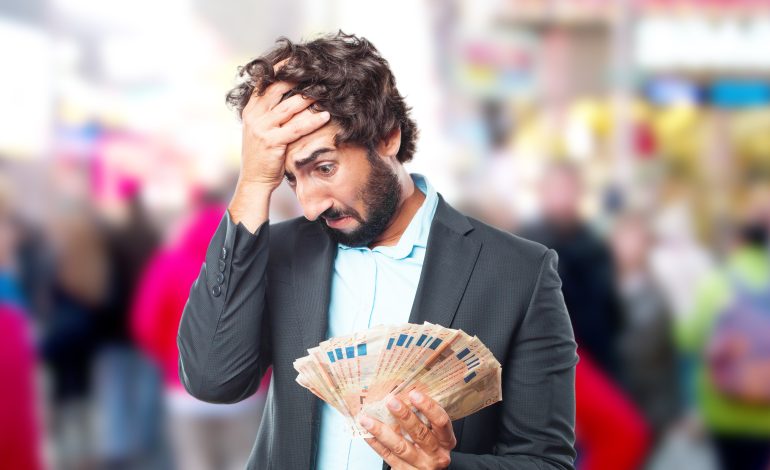

Why everything feels more expensive is a question many people are asking today. Headlines say inflation is easing. Economic data shows prices are not rising as fast as before. Yet daily life feels costlier than ever.
Groceries feel expensive.
Rent feels heavier.
Small purchases add up quickly.
This disconnect between data and lived experience is real. And it has several reasons.
Inflation Slowing Does Not Mean Prices Are Falling
The first thing to understand is simple.
Slower inflation does not mean prices are going down.
It only means prices are rising at a slower pace.
If a product became expensive last year, it stays expensive this year. When inflation slows, that higher price becomes the new normal. People feel the burden every day.
This is one of the main reasons why everything feels more expensive, even when official numbers improve.
Daily Essentials Drive Perception More Than Big Numbers
People do not track inflation through charts.
They track it through routine expenses.
Items that shape perception include:
food
fuel
rent
electricity
school fees
These costs are frequent and unavoidable. Even small increases here feel painful.
When essentials rise faster than income, financial stress builds. That stress stays, even if inflation later cools.
Housing Costs Continue to Stretch Budgets
Housing plays a major role in cost pressure.
In many cities:
rents remain high
home loan EMIs feel heavy
maintenance and utility costs rise
Housing is not optional. It takes up a large share of income.
This pressure has already reshaped household spending patterns, as discussed in our analysis of why housing is becoming an economic stress point for Indian families.
https://protronmedia.com/housing-economic-stress-india/
When housing eats more income, everything else feels expensive by comparison.
Lifestyle Costs Have Quietly Increased
Not all cost increases come from prices alone.
Lifestyle expectations have changed.
Today, people spend more on:
internet and devices
subscriptions
transport
health and wellness
convenience services
Many of these expenses did not exist earlier or were optional. Now they feel essential.
This expansion of “necessary spending” makes monthly budgets tighter. It adds to the feeling that money does not stretch as far as before.
Income Growth Has Not Matched Living Costs
Another key reason why everything feels more expensive is income stagnation.
For many households:
salaries grew slowly
bonuses stayed flat
job security weakened
When income growth lags behind living costs, financial comfort declines. Even stable prices feel heavy when income does not rise alongside them.
This gap creates a sense of constant pressure.
Smaller Purchases Create Bigger Mental Stress
Psychology matters.
Earlier, people worried about big expenses. Today, even small purchases trigger hesitation.
A coffee.
A cab ride.
A quick online order.
These frequent decisions create mental fatigue. People feel they are spending more often, even if the amount is small.
This constant awareness of spending adds to the perception that everything is expensive.
Health and Environment Add Hidden Costs
Health-related expenses also shape financial stress.
Air quality, stress, and lifestyle diseases increase:
medical spending
preventive care costs
daily discomfort
These are not always reflected in inflation data. But they affect daily life deeply.
We’ve explored how environmental factors influence health and routine costs in our article on how air pollution impacts the health of women and children in India.
https://protronmedia.com/air-pollution-health-women-children-india/
When health concerns rise, people spend more on protection and care. This further tightens budgets.
Social Comparison Makes Costs Feel Higher
Social media plays a subtle role.
People constantly see:
travel photos
lifestyle upgrades
consumption milestones
This creates pressure to keep up. Even if someone spends modestly, comparison makes it feel insufficient or stressful.
The gap between what people see and what they can afford widens. This emotional gap amplifies the feeling of rising costs.
Why This Feeling May Last Longer Than Inflation
Even if inflation continues to slow, the feeling may remain.
That is because:
prices reset at higher levels
habits adjust slowly
confidence takes time to return
People need a period of stability to feel comfortable again. Until then, spending decisions stay cautious.
This is why consumer behaviour often lags behind economic indicators.
How People Are Responding to This Pressure
Many households are adapting quietly.
Common changes include:
cutting discretionary spending
delaying big purchases
choosing value over brands
staying in more often
prioritizing comfort and essentials
These shifts explain lifestyle trends like quieter routines and reduced social spending.
The focus has moved from expansion to balance.
What This Tells Us About the Economy
The gap between inflation data and lived experience highlights something important.
Economic recovery is not just about numbers.
It is about how people feel day to day.
When daily life feels expensive, confidence weakens. Spending slows. Caution increases.
Understanding this gap helps explain why consumer sentiment often remains subdued even during positive economic phases.
Final Thought: Data May Improve Before Comfort Does
Why everything feels more expensive is not just an emotional reaction. It reflects real pressures on household budgets.
Prices may stabilize. Inflation may slow. But comfort returns only when:
incomes rise meaningfully
essential costs ease
stability lasts long enough to rebuild confidence
Until then, many people will continue to feel stretched.
The numbers may say one thing.
Daily life often says another.
And in the end, daily life shapes behaviour far more than charts ever will.