




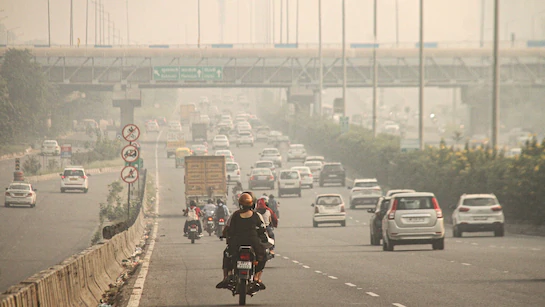

The Delhi-NCR AQI crisis has once again entered the spotlight as air quality across the region slips into the severe category. Thick smog, low visibility and health advisories have become part of daily life for residents, raising urgent questions: Why does this happen every year? What has triggered the current spike? And are short-term measures enough?
While air pollution is not new to Delhi-NCR, the recurrence and intensity of the crisis point to deeper, structural issues that go beyond seasonal headlines.
What Is the Current AQI Situation in Delhi-NCR?
Air Quality Index (AQI) readings across several parts of Delhi, Noida, Gurugram and Ghaziabad have consistently hovered in the severe range. This means pollution levels are many times higher than what is considered safe for human health.
When AQI enters the severe category:
Breathing becomes uncomfortable for most people
Children, elderly and those with respiratory conditions face serious risk
Outdoor activities are strongly discouraged
Schools, offices and transport systems are affected
The current Delhi-NCR AQI crisis is not a sudden event. It is the result of multiple factors coming together at the same time.
Weather Conditions: The Invisible Trigger
One of the biggest contributors to the AQI crisis is winter meteorology.
During colder months:
Wind speeds drop
Temperature inversion traps pollutants near the ground
Moisture levels increase, forming smog
Pollutants fail to disperse
This creates a “pollution lid” over Delhi-NCR. Even if emissions remain constant, pollution accumulates rapidly. This is why AQI worsens sharply during winter, often within days.
Weather does not create pollution, but it magnifies its impact.
Local Emissions Play a Bigger Role Than We Admit
While stubble burning often dominates public debate, studies consistently show that local sources contribute a major share to Delhi-NCR pollution.
These include:
Vehicular emissions
Construction and road dust
Industrial activity
Diesel generators
Waste burning
With rising vehicle density and continuous construction, baseline pollution remains high throughout the year. When winter arrives, these emissions push AQI into dangerous territory.
The Delhi-NCR AQI crisis is therefore as much a local problem as it is a regional one.
Stubble Burning Adds to the Crisis — But Isn’t the Only Cause
Crop residue burning in neighbouring states does contribute to pollution spikes, especially during specific weeks. However, experts agree it is one factor among many, not the sole reason.
The problem arises when:
Local pollution is already high
Weather conditions prevent dispersion
Additional smoke travels into the region
This combination turns a bad situation into a severe one. Focusing on one cause often distracts from the broader structural failures in urban planning and pollution control.
How the AQI Crisis Is Affecting Daily Life
The impact of the Delhi-NCR AQI crisis goes beyond health warnings.
Daily disruptions include:
Schools shifting to online or hybrid modes
Flight and train delays due to low visibility
Reduced outdoor work and productivity
Increased hospital visits
Economic costs due to lost workdays
Pollution is no longer just an environmental issue. It is a public health and economic concern that affects productivity, learning and quality of life.
For a deeper look at how air pollution impacts urban life, you can also read our earlier coverage on AQI trends here:
https://protronmedia.com/air-pollution-health-women-children-india/
Government Measures: Why Temporary Fixes Fall Short
Authorities typically respond with emergency measures such as:
Construction bans
Vehicle restrictions
School closures
Work-from-home advisories
While necessary, these steps are reactive, not preventive. They reduce exposure temporarily but do not address the root causes.
The repeated return of the Delhi-NCR AQI crisis highlights a pattern: action begins only after air quality turns hazardous.
Why This Crisis Repeats Every Year
The core reasons behind the recurring AQI crisis include:
High baseline pollution throughout the year
Overdependence on short-term controls
Slow transition to clean transport
Weak enforcement of emission norms
Rapid urban expansion without environmental planning
Until these structural issues are addressed, seasonal pollution will continue to escalate into full-blown crises.
What Can Citizens Do During Severe AQI Phases?
While systemic change takes time, individuals can reduce risk by:
Limiting outdoor exposure
Using masks during severe AQI days
Avoiding strenuous outdoor exercise
Using indoor air purifiers where possible
Following official advisories
Awareness and precaution are essential during high-pollution phases.
Final Thought: The AQI Crisis Is a Symptom of a Larger Problem
The Delhi-NCR AQI crisis is not an isolated seasonal event. It reflects long-standing challenges in urban planning, mobility, energy use and environmental governance.
Each severe AQI phase should serve as a reminder that temporary measures are not enough. Long-term solutions require coordinated policy action, public participation and sustained commitment.
Until then, Delhi-NCR will continue to experience cycles of clean air hopes followed by smog-filled realities.