



Vande Mataram Debate 2025: Why the National Song Is Back in Focus
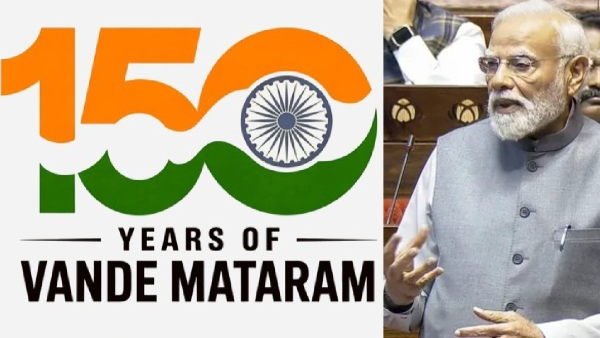

The Vande Mataram debate has returned to Parliament after many years. The national song completed 150 years, and this milestone revived discussions on its cultural, historical and constitutional relevance. Leaders across parties shared strong opinions. Citizens also reacted, making Vande Mataram a major topic across newsrooms and social platforms.
For media professionals, brands and communication experts, this moment offers insight into how symbols and narratives regain power, even generations later.
Why has the Vande Mataram debate resurfaced?
1. 150-year anniversary of the national song
The anniversary led to a renewed evaluation of its legacy. Lawmakers discussed its role in India’s freedom movement and its deep emotional impact on generations.
Learn more about the history and significance here:
https://www.economictimes.com/news/politics-and-nation/vande-mataram-at-150/
2. Questions about cultural and religious sensitivity
Some leaders demanded equal status for Vande Mataram alongside the national anthem. Others argued the full version has verses that may not align with beliefs of all communities. This revived the old discussion on which parts should be recited in public events.
3. A shift in public sentiment
Many people view Vande Mataram as a symbol of unity. Others view it through a religious lens. This contrast brings emotion into public dialogue. It shows how a single symbol can carry multiple meanings in a diverse country.
For brands, this is a reminder that context affects interpretation.
What the Vande Mataram debate says about communication today
1. Narratives influence public perception
The Vande Mataram debate proves that narratives shape how people interpret national identity.
👉 Even historical symbols evolve in meaning.
👉 Public sentiment can shift with storytelling.
👉 Communication can revive old ideas in new ways.
This is similar to how modern brands reshape legacy stories to stay relevant.
Read our blog on how narratives drive brand growth:
https://protronmedia.in/founder-led-content-growth-engine/
2. Symbols carry emotional power
Vande Mataram is more than a patriotic song. It is a symbol of struggle and unity.
When symbols resurface, they trigger memory, pride and sometimes disagreement.
Brands face a similar challenge with logos, taglines and brand stories.
3. Messaging must respect diversity
A message that feels unifying to one group may feel sensitive to another.
This shows why cultural intelligence matters in communication.
Brands must communicate with clarity, empathy and awareness of sentiment.
What this means for media & marketing professionals
The Vande Mataram debate is not just a political moment. It is a communication case study.
It teaches us that:
People connect deeply with emotional narratives
History shapes how content is received
Public reactions can vary widely based on beliefs
Digital media amplifies sentiment within hours
This is why modern communication requires:
✔ Context
✔ Sensitivity
✔ Purpose
✔ Clear intent
Whether you are shaping brand identity or creating public messaging, narratives must be crafted with understanding and respect.
Final Thought
The Vande Mataram debate shows that symbols remain powerful long after their creation. They evolve, spark conversation and influence public emotion. As India revisits its national song, it reminds communicators that words, stories and symbols can unite or divide—depending on how they are framed.
For brands and content creators, this is a call to build narratives that are thoughtful, respectful and emotionally intelligent.